1 Effective Strategy for Crisis Management: Regulate First, Respond Second
“Regulate First, Respond Second” tackles the necessity of setting clear guidelines that precede any reactive measures, especially in a fast-paced environment. This approach emphasizes the importance of having established protocols before jumping into action, ensuring that responses are effective and well-informed. Whether in business or everyday life, understanding the balance between regulation and response can streamline processes and lead to better outcomes.
Establishing Regulatory Frameworks for Effective Crisis Management
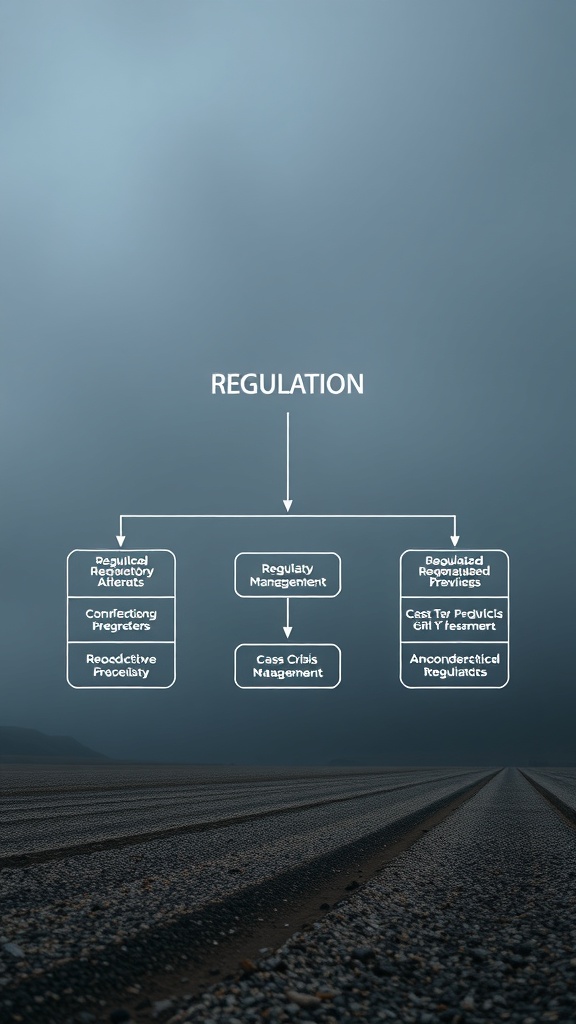
In any crisis, having a solid regulatory framework is key. The image illustrates how regulation can be structured to manage crises effectively. It shows a clear hierarchy, starting from the broad concept of regulation down to specific management strategies.
The top of the diagram highlights ‘REGULATION,’ which serves as the foundation. Below it, we see various branches that represent different aspects of regulatory management. This setup helps organizations understand the flow of responsibilities and actions needed during a crisis.
For instance, ‘Regulatory Alerts’ and ‘Regulatory Privileges’ are crucial for timely responses. They ensure that everyone involved knows their roles and can act swiftly. The ‘Crisis Management’ section emphasizes the importance of having a dedicated team ready to tackle issues as they arise.
Overall, this framework is not just about rules; it’s about creating a responsive system that can adapt to challenges. By establishing clear guidelines, organizations can respond more effectively when crises hit.1 Effective Strategy for Crisis Management: Regulate First, Respond Second
“Regulate First, Respond Second” tackles the necessity of setting clear guidelines that precede any reactive measures, especially in a fast-paced environment. This approach emphasizes the importance of having established protocols before jumping into action, ensuring that responses are effective and well-informed. Whether in business or everyday life, understanding the balance between regulation and response can streamline processes and lead to better outcomes.
Establishing Regulatory Frameworks for Effective Crisis Management
In any crisis, having a solid regulatory framework is key. The image illustrates how regulation can be structured to manage crises effectively. It shows a clear hierarchy, starting from the broad concept of regulation down to specific management strategies.
The top of the diagram highlights ‘REGULATION,’ which serves as the foundation. Below it, we see various branches that represent different aspects of regulatory management. This setup helps organizations understand the flow of responsibilities and actions needed during a crisis.
For instance, ‘Regulatory Alerts’ and ‘Regulatory Privileges’ are crucial for timely responses. They ensure that everyone involved knows their roles and can act swiftly. The ‘Crisis Management’ section emphasizes the importance of having a dedicated team ready to tackle issues as they arise.
Overall, this framework is not just about rules; it’s about creating a responsive system that can adapt to challenges. By establishing clear guidelines, organizations can respond more effectively when crises hit.