10 Powerful Visualization Techniques to Strengthen Your Neural Pathways
Visualization can play a powerful role in strengthening neural pathways, enhancing memory and learning. By vividly imagining scenarios or information, our brains actively reinforce the connections that help us retain knowledge and skills. This approach not only supports cognitive development but also fosters a deeper understanding of concepts in a more enjoyable way.
Creating Stronger Connections Through Repetition
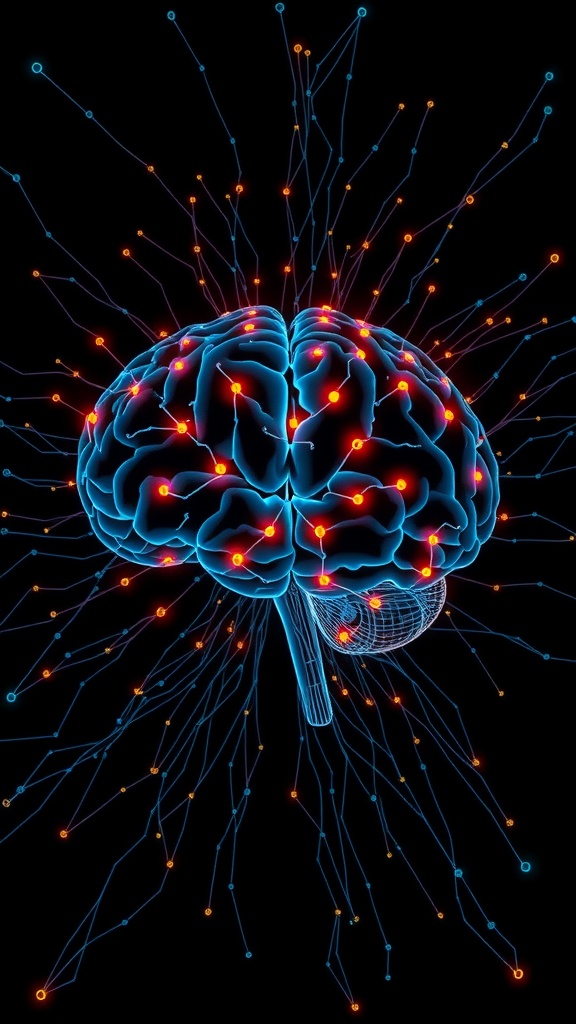
The image of a glowing brain with vibrant connections illustrates the idea of strengthening neural pathways. Each bright point represents a connection, showing how our brain forms networks through repetition.
When we practice something repeatedly, our brain reinforces these connections. This is why learning a new skill or habit often requires consistent effort. The more we engage in an activity, the stronger those pathways become.
Visualization plays a key role in this process. By imagining ourselves performing a task, we can activate the same neural pathways as if we were actually doing it. This mental practice can enhance our performance and solidify our learning.
So, whether you’re learning to play an instrument or mastering a new language, remember that repetition and visualization are your best friends. They help create those strong connections that make learning easier and more effective.
Understanding Neural Pathways

The image beautifully illustrates the brain, glowing with vibrant colors and connections. These bright spots represent neural pathways, the communication routes in our brain.
Neural pathways are like highways for information. They help us learn, remember, and react. When we visualize concepts or practice skills, we strengthen these pathways. The more we engage with an idea, the more connections we create.
This process is essential for learning. Each time we visualize something, we reinforce the connections in our brain. Over time, this makes it easier to access that information or skill. It’s like training a muscle; the more you work it, the stronger it gets.
Visualization not only aids memory but also enhances creativity. When we picture scenarios, we open our minds to new ideas. This can lead to innovative solutions and fresh perspectives.
Benefits of Mental Imagery

Mental imagery is a powerful tool for strengthening neural pathways. The image shows a person meditating, surrounded by various symbols that represent thoughts and ideas. This visualization can enhance focus and creativity.
When we visualize, our brain activates similar areas as if we were actually experiencing the event. This can lead to improved performance in various tasks, whether in sports, learning, or even daily activities. The glowing symbols around the person suggest the vast potential of mental imagery.
Engaging in this practice regularly can help build new connections in the brain. It’s like a workout for your mind! By picturing success or desired outcomes, you can train your brain to achieve those goals. This method is not just for athletes; anyone can benefit from it.
So, next time you sit down to meditate or reflect, think about what you want to achieve. Visualize it clearly, and you may find that your mind becomes a powerful ally in reaching your goals.
Visualization in Therapeutic Practices

In the image, we see a warm and inviting therapy space where two individuals engage in a meaningful conversation. One person, dressed in a white outfit, appears to be guiding the other, who is seated and listening attentively. This setting emphasizes the importance of connection and communication in therapeutic practices.
Visualization plays a significant role in therapy. It helps individuals create mental images that can lead to healing and personal growth. By picturing positive outcomes or peaceful scenarios, clients can strengthen their neural pathways. This process can enhance emotional well-being and reduce stress.
Therapists often encourage clients to visualize their goals or desired states of mind. This practice not only fosters a sense of control but also promotes relaxation. The cozy environment in the image suggests a safe space where such visualization can thrive.
Incorporating visualization techniques into therapy can lead to profound changes. Clients may find it easier to confront challenges and embrace new perspectives. Overall, visualization is a powerful tool that can enhance the therapeutic experience.
Visualization Techniques for Athletes

Visualization is a powerful tool for athletes looking to enhance their performance. The image shows an athlete sprinting down a track, embodying focus and determination. This scene captures the essence of what visualization can achieve: a clear mental picture of success.
When athletes visualize their performance, they create a mental rehearsal of their actions. This practice strengthens neural pathways, making movements feel more natural and instinctive. Just like the runner in the image, athletes can picture themselves achieving their goals, whether it’s crossing the finish line first or executing a perfect routine.
Incorporating visualization into training can lead to improved confidence and reduced anxiety. Athletes can set aside time to close their eyes and imagine themselves in their sport, feeling the adrenaline and excitement. This mental practice can be just as vital as physical training, helping to prepare both the mind and body for competition.
Role of Visualization in Learning

Visualization plays a key role in learning by helping students connect concepts and ideas. In the image, we see a classroom filled with engaged students. They are focused on their devices and the presentation in front of them. This setup encourages active participation and enhances understanding.
When students visualize information, it strengthens their neural pathways. This means that the more they see and interact with the material, the easier it becomes to recall it later. The students in the image are likely absorbing information in a way that makes it stick.
Using visuals, like charts or diagrams, can simplify complex topics. It allows learners to see relationships and patterns that might not be obvious through text alone. The classroom environment shown in the image supports this approach, making learning more effective and enjoyable.
Visualization and Stress Reduction

In the image, we see a person sitting peacefully in a natural setting, surrounded by tall grass and a serene body of water. This scene perfectly illustrates how visualization can be a powerful tool for stress reduction. When we take a moment to imagine ourselves in such tranquil environments, it can help calm our minds and ease tension.
Visualization involves creating mental images that can promote relaxation and well-being. By picturing ourselves in a peaceful place, like the one in the image, we can strengthen our neural pathways associated with calmness. This practice can lead to reduced stress levels and a greater sense of control over our emotions.
Engaging in visualization regularly can help us manage daily stressors more effectively. It’s a simple yet effective way to create a mental escape, allowing us to recharge and refocus. So, the next time you feel overwhelmed, take a moment to visualize a serene setting like the one shown here. Your mind and body will thank you!
The Science Behind Visualization

The image shows a person wearing a headset that monitors brain activity while they interact with a computer. Behind them is a screen filled with brain scans and data. This setup highlights the connection between visualization techniques and the brain’s neural pathways.
Visualization is more than just daydreaming. It’s a powerful tool that can help strengthen neural pathways. When we visualize an action, our brain activates similar areas as if we were actually performing that action. This means that practicing visualization can enhance skills, whether in sports, academics, or personal goals.
In the image, the brain activity is being monitored, suggesting that scientists are exploring how visualization impacts cognitive functions. This research shows that the brain is adaptable, and with practice, we can improve our mental capabilities. The more we visualize, the stronger those neural connections become.
So, the next time you think about your goals, take a moment to visualize them. It’s a simple yet effective way to boost your brainpower and work towards achieving what you want.
Future of Visualization in Neuroscience

The image shows a modern neuroscience lab filled with computers and sleek furniture. Bright screens display brain images, hinting at the advanced research happening in this space. The large wall graphic of a brain adds a creative touch, emphasizing the focus on understanding neural pathways.
Visualization plays a key role in neuroscience. It helps researchers see complex data in a clear way. As technology advances, we can expect even more innovative tools to emerge. These tools will allow scientists to explore the brain’s mysteries in greater detail.
In the future, we might see virtual reality used to simulate brain functions. This could help in training medical professionals and enhancing patient understanding. With better visualization, we can strengthen neural pathways and improve learning processes.
Overall, the future of visualization in neuroscience looks bright. It promises to deepen our understanding of the brain and lead to breakthroughs in treatment and education.
Case Studies on Visualization Success

Visualization is a powerful tool that can shape our thoughts and actions. The image showcases various quotes from individuals who have experienced the benefits of visualization in their lives. Each quote reflects a unique perspective on how visualizing goals can lead to tangible success.
From entrepreneurs to creatives, the people featured express how visualization has helped them overcome challenges and achieve their dreams. They share insights on the importance of seeing their goals clearly, which strengthens their neural pathways and enhances their focus.
For instance, one individual mentions how visualizing their path made it easier to tackle obstacles. This highlights a common theme: when we can picture our success, we are more likely to pursue it actively. The quotes serve as reminders that visualization isn’t just a mental exercise; it’s a practical strategy that can lead to real-world results.